The Introduction Is Not Housekeeping: A UK Host's Protocol for Speaker Handovers
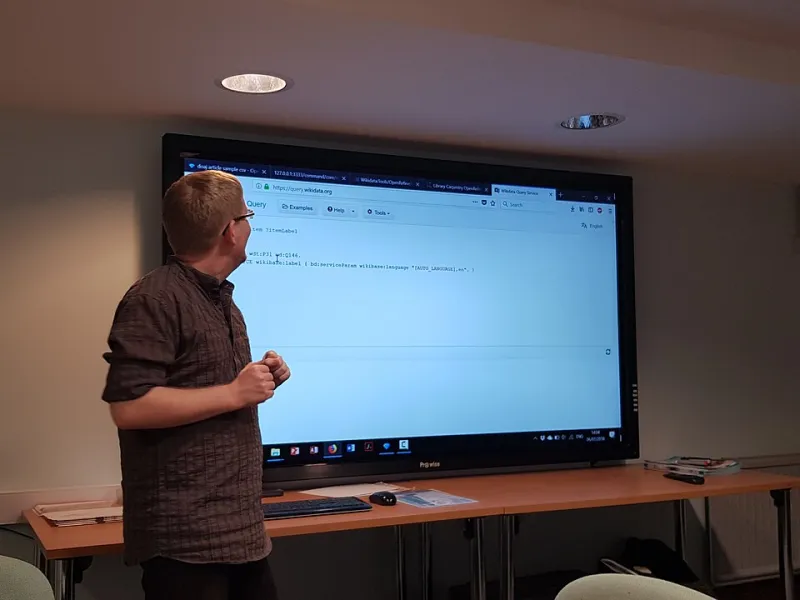
Photo: Delphine Dallison, CC BY-SA 4.0, via Wikimedia Commons
The introduction is often treated as housekeeping: a few names, a job title, a line about the talk, then a gesture towards the stage. In practice it is the first test of whether the room trusts the programme. A mispronounced surname, an outdated affiliation or a title omitted without explanation can distract an audience before the speaker has said anything of substance. The remedy is not more elaborate praise. It is a short, disciplined protocol agreed well before the day.
The Introduction Is Part of the Talk
Hosts often rehearse their welcome and their closing remarks while leaving the speaker introduction to the morning of the event. That is a mistake. The introduction sets the speaker's standing, establishes why this person is worth listening to and gives the audience a clean point of entry. It also signals to the speaker that the event has paid attention. In UK rooms, where understatement is usually preferred to hype, the best introductions are brief, accurate and warm rather than theatrical.
Start With the Name, Not the Note
The title of this article is deliberate: the name comes before the note. Too many introductions begin with a paragraph of biography and reach the speaker's name only at the end, by which point the audience is trying to remember several organisations and honours at once. A cleaner sequence is name, role, relevance, then the handover. The audience should know who is walking on stage before they are asked to applaud.
A Short Pre-Event Protocol
A workable protocol can fit on one page and be completed at least a week before the event.
1. Request a spoken introduction note
Ask each speaker for a short introduction written for the ear, not copied from a website biography. Request the following: the name as it should be spoken; a phonetic respelling if the name is often misheard; the preferred title; current role and organisation; one sentence on why this person is relevant to this audience; and any pronunciation or emphasis notes. A voice note can be more useful than text for names with unusual stress patterns.
2. Confirm titles, affiliations and honours
Do not assume that a speaker wants every honour voiced. In the UK, post-nominal letters such as OBE, CBE or MBE may appear on a badge or in a written programme without being spoken aloud. Academic and professional titles vary too: Professor, Dr, Councillor, Reverend, Sir or Dame. Ask directly: 'How would you like to be introduced, and which parts of your title would you like spoken?' This is not pedantry; it is courtesy.
3. Write for the ear
Introductions should be read aloud in rehearsal. Long subordinate clauses, strings of affiliations and acronyms that are clear on paper can become tangled in the mouth. Prefer short sentences. If an organisation's full name is cumbersome, agree a shortened form with the speaker. Avoid reading a curriculum vitae; choose the two or three facts that help this particular audience understand why the speaker is in the room.
4. Check the handover moment
Agree in advance where the speaker will sit or stand, how they will reach the stage and who will hold the microphone during the changeover. The host should not walk away until the speaker has the microphone, has a comfortable stance and is ready to begin. A clumsy handover — the host still talking while the speaker starts, or the microphone left on a lectern at the wrong height — undermines the authority the introduction has just built.
Titles, Affiliations and the Honours Trap
UK naming conventions carry small traps for the unwary. A speaker may be 'Dr' in a professional context and plain 'Ms' socially. A Welsh speaker may prefer the Welsh form of a place name or institution. A Scottish name might carry a stress pattern that English readers instinctively get wrong. A councillor's title may be current or former. None of these details is difficult to manage if they are checked early; all of them are awkward to correct from the stage.
The safest method is a simple introduction card, completed by the speaker and returned to the host. It should include the spoken name, the preferred title, the current affiliation, a one-sentence relevance note and a pronunciation guide. The host then reads the card aloud at the technical rehearsal, with the speaker present, and invites corrections. This turns a potential embarrassment into a routine quality check.
The Handover Is a Staged Moment
The handover deserves its own rehearsal. The host should finish the introduction on a clear, complete sentence, turn towards the speaker and indicate the stage or lectern without blocking the audience's view. Applause should be invited naturally, not demanded. If the speaker is moving from a seated position, the host should wait until they are settled. If the speaker uses a wheelchair, a lectern or a radio microphone, the route and the reach should have been checked earlier in the day.
This is not over-production. It is the physical expression of the introduction: the room is being handed over, not merely the microphone.
A Rehearsal Habit Worth Keeping
The most useful habit is a ninety-second introduction rehearsal at the technical check. The host reads the introduction exactly as it will be delivered. The speaker listens for pronunciation, title and emphasis. Any correction is made on the card and read again. The handover is then walked through once, without an audience. The whole exercise takes less time than a coffee break and prevents the small errors that can make a speaker sound uncertain before they have begun.
Introductions are not housekeeping. They are the first line of the speaker's performance, spoken in someone else's voice. Get the name right, confirm the title, keep the biography short and rehearse the handover. The audience will not remember the introduction itself, but they will remember whether the speaker arrived on stage with authority intact.