The Ready Room Principle: Building a Shared Speaker Kit for UK Venues
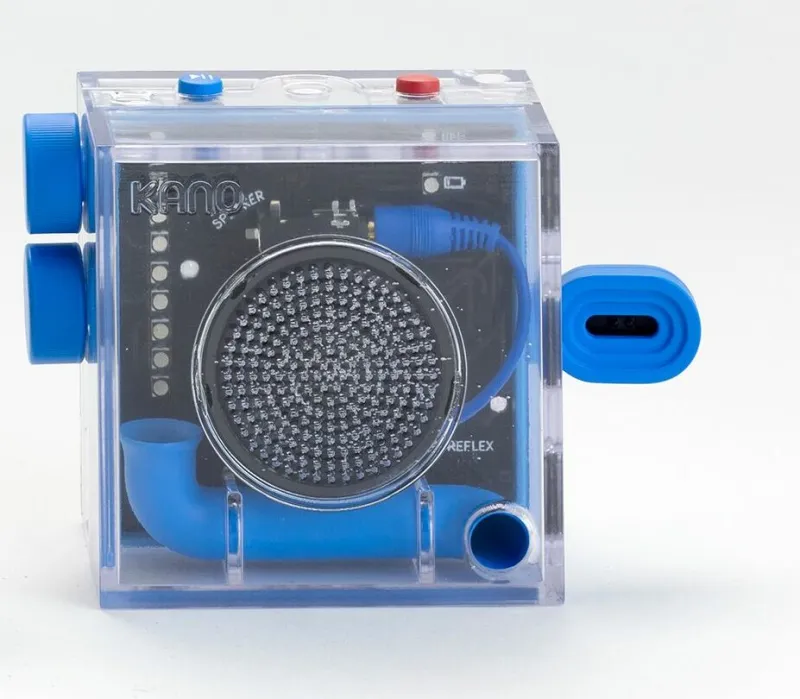
Photo: Kano, CC BY-SA 2.0, via Wikimedia Commons
Visiting speakers arrive with ideas, slides and a train timetable. What they often lack is a reliable clicker, a working adapter or a clock they can see from the lectern. For community organisations, membership bodies and small conference teams, the answer is not a bigger budget but a better shelf: a shared speaker kit that lives in one named place and is checked before every event.
Why a shared kit earns its shelf space
A visiting speaker's stagecraft begins before the first slide. If the clicker is flat, the timer is missing or the laptop refuses the projector, the room watches the organisers solve a problem rather than the speaker deliver an argument. A lending locker — whether a locked cupboard, a labelled crate or a small flight case — moves those small failures out of the event day and into a routine. It also gives volunteers and staff a single answer to the question every guest asks on arrival: do you have one of these?
The principle is simple. The kit belongs to the venue or the organising group, not to any one speaker. It is lent, logged and returned. It is checked at the same time as the room booking and the fire exits. That regularity is what makes it useful.
The core inventory
A practical kit need not be elaborate. It should cover the four things that most often interrupt a session: power, projection, time and human comfort.
Power and projection
- A modern clicker with spare batteries, plus a second clicker as backup.
- A small pouch of adapters: USB-C to HDMI, HDMI to VGA, Mini DisplayPort, and a short HDMI cable.
- A multi-socket extension lead with a Type G plug, surge protection and a clear label.
- A basic presentation remote that works without proprietary software.
- A USB stick and a USB-C card reader for speakers who arrive with files rather than laptops.
The point is not to recreate an AV cupboard. It is to solve the first fifteen minutes, when a speaker is most exposed and the audience is most attentive.
Timekeeping and cues
- A silent visual timer that can be placed on the lectern or floor.
- A countdown clock for the chair, if the room has no visible clock.
- A small bell, card set or hand signal system for the chair and speaker to agree on time warnings.
- A printed run sheet with session times, speaker names, microphone arrangements and the name of the person holding the clock.
Timekeeping is a stagecraft tool, not an administrative afterthought. A speaker who knows where the five-minute mark is can land a conclusion rather than abandon one.
Comfort and contingency
- Bottled water and a clean glass, or a refillable bottle if the venue has a water station.
- Tissues, mints and a small mirror for the green room.
- Spare lanyards, name badges and a marker pen.
- A basic first-aid item for minor cuts and spills, plus a roll of gaffer tape.
- A hearing loop check card or a note of the venue's accessibility contact.
These are small things. Their absence, however, is disproportionately visible. A dry throat, a missing badge or a cable taped across a walkway can unsettle a speaker more than a difficult question.
Paper and process
- A printed run sheet in a plastic wallet.
- A one-page speaker briefing: arrival time, parking, room layout, microphone type and contact number.
- A lending log with columns for item, borrower, date out and date back.
- A checklist for the person who opens and closes the kit.
Digital is fine, but paper survives flat batteries, poor Wi-Fi and the final ten minutes before doors open.
The lending system
A kit only works if it is easy to borrow and easy to return. Keep the locker in a named room with a named owner. Use a simple sign-out sheet rather than a complex database. Photograph the contents after each event so the next organiser can see what is missing. Return the kit to the same state every time: clickers in the left pocket, adapters in the pouch, timer charged.
For organisations that share venues, agree a small service-level note. Who replaces batteries? Who reports a broken adapter? Who checks the kit before a busy week? These questions are unglamorous, but they prevent the familiar scramble in which three people search a cupboard for a cable while a speaker waits in the corridor.
A modest investment in composure
The strongest argument for a shared speaker kit is not financial. It is about attention. When the practicalities are settled, the visiting speaker can concentrate on the room, and the room can concentrate on the speaker. In a village hall, a civic centre or a small conference suite, that shift is often the difference between a session that feels hosted and one that feels improvised.
A lending locker does not need to be large. It needs to be complete, checked and known. In the quiet work of hosting visiting voices, that is a form of hospitality — and a practical piece of stagecraft.